
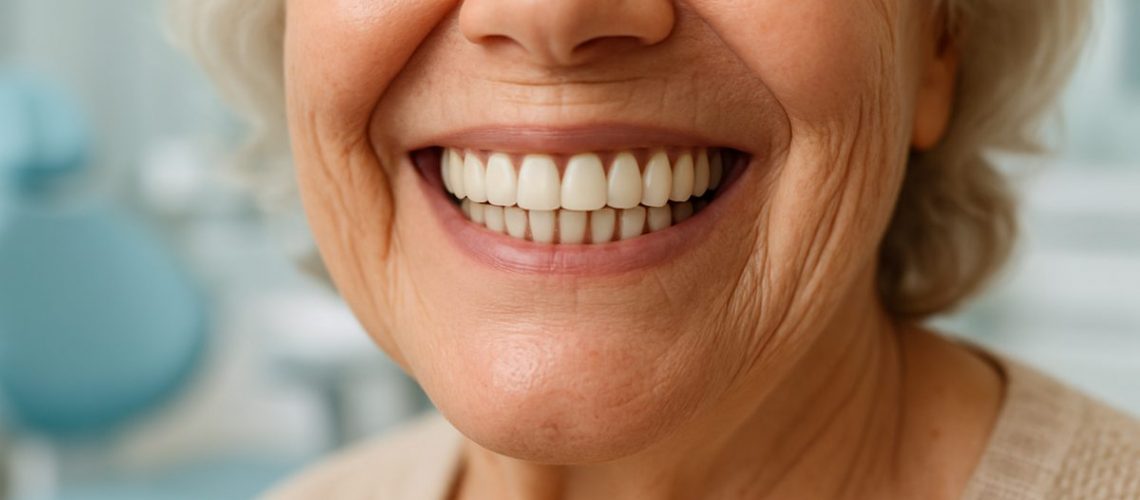
Yes — full‑arch dental implant solutions exist, so can you get dental implants if you have no teeth in Jacksonville, FL?
In short: often yes. Complete tooth loss does not automatically rule out implants. Success depends on overall health, jawbone volume, oral infection status, and habits like smoking. This article explains who qualifies, the main treatment options, the steps involved, risks and benefits, costs, and how to prepare.
Who can be considered for full-arch implants?
Most adults with no teeth can be evaluated for full‑arch implants. Key factors include overall medical health, whether conditions such as diabetes are controlled, smoking status, and the presence of untreated oral infections. Sufficient jawbone volume is important, though grafting can help. Age alone is not a disqualifier; many seniors are good candidates if their health and bones allow reliable healing.
Full-arch implant options for people with no teeth
All‑on‑4 / All‑on‑X implants
All‑on‑4 and similar “All‑on‑X” approaches use fewer strategically angled implants to support a full fixed bridge. Benefits include fewer implants, lower cost than placing multiple implants, and often immediate loading, allowing a temporary arch to be placed the same day. This is commonly used for fully edentulous upper or lower arches.
Traditional multiple implants with a fixed bridge
A traditional approach uses more implants (often 6–8 per arch) to support a full fixed bridge. This option can provide extra stability and long‑term support when bone and budget allow. It’s often chosen when patients want a permanent, non‑removable solution and have adequate bone or are willing to undergo grafting.
Implant‑retained overdentures
Implant‑retained overdentures attach to a few implants using locators or bars, providing improved retention compared to conventional dentures. They’re usually less costly than full fixed bridges, easier to clean because they’re removable, and still significantly improve chewing and comfort. Tradeoffs include slight movement compared with fixed bridges.
The evaluation and treatment steps
Diagnostic imaging and planning
Evaluation includes clinical exams, medical history review, and 3‑D imaging (CBCT) and digital intraoral scans. These tools show bone volume, nerve positions, and sinus anatomy and let the team digitally plan implant positions for predictable outcomes.
Bone grafting and sinus lifts (if needed)
If bone is insufficient, bone grafts or sinus lifts can rebuild the ridge. Grafting adds time—often months of healing—but can make more robust, long‑lasting implant placements possible.
Surgery, healing, and final restoration
Surgery may allow immediate temporary teeth or a delayed final prosthesis after healing (3–6+ months). Final restorations are customized for fit, function, and aesthetics. Your team will explain timelines based on your plan.
Risks, benefits, and what to expect long-term
Benefits include improved chewing, speech, facial support, and confidence. Risks include infection, implant failure, nerve or sinus complications, and the need for maintenance or repairs. With proper care, implants commonly last decades; regular dental visits and hygiene are essential.
Cost, insurance, and financing basics
Costs vary widely: implant‑retained dentures are typically less expensive than full fixed bridges, and All‑on‑4 falls in between. Insurance may cover some costs (extractions, limited prosthetic costs), but often not the full implant fee. Many practices and third‑party lenders offer financing or payment plans to spread costs.
How to prepare and improve your chances for success
Quit smoking before and after surgery, keep systemic diseases like diabetes under control, treat any oral infections, and maintain good oral hygiene. Bring medical records and ask about CBCT imaging and digital planning during your consult to ensure a thorough evaluation.
Why consider Jacksonville Center for Prosthodontics and Implant Dentistry
About the practice
Jacksonville Center for Prosthodontics and Implant Dentistry focuses on prosthodontics and implant care with patient‑centered planning and predictable results for full‑arch cases.
About Dr. Noel Rodriguez
Dr. Noel Rodriguez is a prosthodontist with advanced training and Navy experience. He emphasizes precise, engineered restorations and tailored plans to meet each patient’s goals.
Advanced technology used
The practice uses Carestream CS 3600 intraoral scanning and Carestream CBCT/CS 9300 3‑D imaging for accurate planning and implant placement.
Next steps / call to action
Request a consultation to see if you qualify for full‑arch implants. On‑site imaging and financing options are available to help plan treatment and make care more affordable.
